 Our Providers
 Blog
Blog
 Contact us
 Root Canal Treatment
 Emergency Root Canal
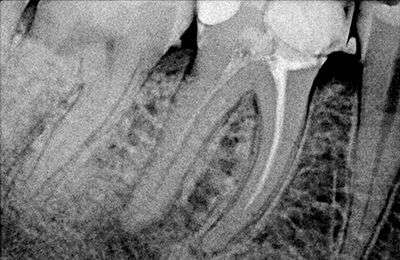 Root Canal Retreatment
Dental CBCT Scan
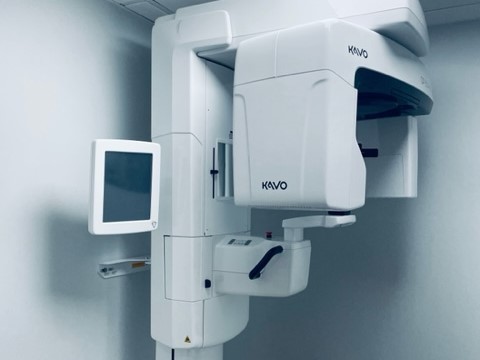
What Is Dental CBCT Scan and Why It Matters for Your Dental Health
In modern dentistry, precision matters. That’s why more dental professionals, especially endodontists, are turning to CBCT scans, Cone Beam Computed Tomography, to provide advanced diagnostic imaging that goes far beyond traditional x-rays.
Whether you’re preparing for endodontic treatment, evaluating jaw pain, or planning a dental implant, a CBCT scan offers a fast, accurate, and noninvasive way to see what’s going on beneath the surface with remarkable clarity.
How Does a Dental CBCT Scan Work?
CBCT technology captures more than 150 images of your head, jaw, and oral structures from multiple angles. These are digitally compiled into one high-resolution 3D image. The result? A comprehensive view of your bone, nerves, soft tissue, and teeth that can’t be achieved with standard two-dimensional X-rays.
Unlike traditional CT scanners used in hospitals, CBCT units are open and compact. You’ll either stand or sit during the scan while the machine gently rotates around your head. The process takes just seconds, typically under 40 for a full scan, and there’s no discomfort or downtime involved.
What Does a Dental CBCT Scan Reveal?
Dental CBCT imaging is incredibly detailed and allows your endodontist to assess:
- Bone structure and density
- Tooth orientation and root anatomy
- Infections or cysts in the jaw
- Impacted teeth or fractures
- TMJ conditions
- Sinus and nasal cavity health
- Airway obstruction
- Existing dental work (implants, crowns, fillings)
- Early signs of decay and gum disease
For endodontic procedures such as root canal therapy or retreatment, a CBCT is particularly valuable in detecting curved or fractured roots, missed canals, or unusual anatomy that may not appear on a standard X-ray.
Why Your Endodontist May Recommend a Dental CBCT Scan?
Dental CBCT scans are commonly used to:
- Provide a 3D view of complex root canal anatomy
- Detect hidden or extra canals not seen on traditional X-rays
- Identify infections, cysts, or abscesses around the tooth root
- Reveal vertical root fractures and resorption areas
- Aid in diagnosing persistent pain after previous root canal therapy
- Help plan surgical procedures like apicoectomies with greater precision
- Assess the extent of bone loss or damage near the root tip
- Pinpoint proximity to critical structures like nerves and sinuses
- Confirm healing and success after endodontic treatment
- Support planning for retreatment or complicated cases with calcified canals
The ability to visualize both hard and soft tissues in 3D allows our Midtown endodontists NYC to make more accurate diagnoses and reduce the risk of complications during procedures.
Safety and Convenience
Yes, dental CBCT scans use radiation, but the dose is significantly lower than that of traditional CT scans. The scan is painless, fast, and non-enclosed, making it ideal even for patients with claustrophobia. Most scans are completed in under a minute, and you can return to normal activities immediately.
Some dental or medical insurance plans may cover the cost of dental CBCT imaging when deemed medically necessary.
Precision Matters in Endodontic Treatment
The difference between an average outcome and an excellent one often comes down to planning. CBCT scans help your endodontist create a treatment plan based on real-time, comprehensive data, resulting in more predictable procedures and long-term results.
Have questions about CBCT scans or wondering if one is right for you? We’re here to help. Contact our office to schedule a consultation and experience the benefits of advanced imaging in expert hands.
Frequently Asked Questions (FAQ)
What is a dental CBCT scan and why does it matter for dental health?
A dental CBCT scan, or Cone Beam Computed Tomography scan, is an advanced diagnostic imaging tool that provides highly detailed 3D images of the teeth, jaw, nerves, bone, and surrounding structures. It offers far more precision than traditional X-rays and helps dental professionals accurately diagnose conditions, plan treatments, and evaluate complex dental and endodontic cases.
How does a dental CBCT scan work?
CBCT technology captures more than 150 images of the head, jaw, and oral structures from multiple angles, which are digitally compiled into a single high-resolution 3D image. During the scan, you sit or stand while the open, compact machine rotates around your head. The process takes only seconds, typically under 40 for a full scan, and involves no discomfort or downtime.
What does a dental CBCT scan reveal?
A dental CBCT scan reveals detailed information about bone structure and density, tooth orientation and root anatomy, infections or cysts, impacted teeth, fractures, TMJ conditions, sinus and nasal cavity health, airway obstruction, existing dental work, and early signs of decay or gum disease. For endodontic treatment, it is especially useful for identifying curved or fractured roots, missed canals, and unusual anatomy.
Why might an endodontist recommend a dental CBCT scan?
An endodontist may recommend a dental CBCT scan to obtain a 3D view of complex root canal anatomy, detect hidden or extra canals, identify infections, cysts, or abscesses, reveal vertical root fractures or resorption, diagnose persistent pain after prior root canal therapy, plan surgical procedures like apicoectomies, assess bone loss near the root tip, evaluate proximity to nerves or sinuses, confirm healing, and support planning for retreatment or complicated cases.
Is a CBCT scan safe?
Yes. Dental CBCT scans use a low dose of radiation that is significantly lower than traditional medical CT scans, making them a safe option for diagnostic imaging in dentistry and endodontics.
Does a CBCT scan hurt?
No. A CBCT scan is completely painless, noninvasive, and does not require any special preparation.
How long does a dental CBCT scan take?
A partial CBCT scan focused on a single tooth or specific area usually takes 20 to 40 seconds. A full scan typically takes around 40 to 60 seconds. While the scan itself is brief, the entire appointment generally lasts about 10 to 15 minutes, including preparation, positioning, image capture, and sometimes a brief discussion of preliminary findings.
Will I need to miss work or rest after a CBCT scan?
No. There is no downtime required after a dental CBCT scan. You can return to work, eat, exercise, or continue your normal activities immediately following the scan.
Why would I need a CBCT scan instead of a regular X-ray?
Traditional X-rays produce only two-dimensional images. A CBCT scan creates a detailed 3D image that allows an endodontist to evaluate complex root structures, identify hidden infections, and plan treatments with a level of accuracy that standard X-rays cannot provide.
Schedule an Appointment for Your CBCT Scan at Midtown Endodontist NYC Today
BOOK AN APPOINTMENT