 Our Providers
 Blog
Blog
 Contact us

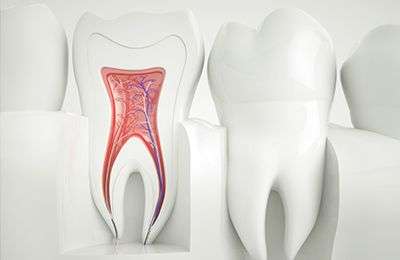 Root Canal Treatment
 Emergency Root Canal
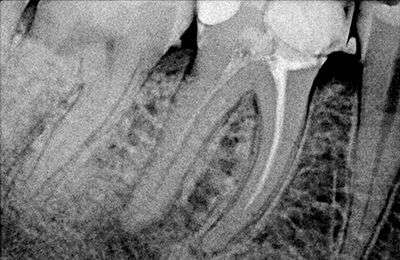 Root Canal Retreatment
 Complimentary Teeth Whitening
 Teeth Whitening
Root Canal NYC
Specialized Care for Relief from Severe Tooth Pain and Tooth Infection
Root canal treatment is a common dental procedure used to treat infection inside a tooth while preserving the natural structure.
For patients experiencing severe pain in New York City, a root canal treatment is often the most effective way to stop infection and provide pain relief, while saving the tooth. At Midtown NYC, our specialists provide high-quality dental care procedures designed to address the source of tooth pain, relieve infection, and help restore long-term dental health.
Dealing with severe tooth pain? Looking for a root canal specialist in Midtown NYC? Our team provides same-day root canal treatment focused on relieving pain and eliminating infection while preserving your natural tooth. We handle everything in one place—from exam and digital X-rays to treatment—so you can get lasting relief without delay. PPO insurance accepted; transparent pricing and flexible options available.
SAME-DAY ROOT CANAL APPOINTMENTS
AFFORDABLE CARE FROM $1,650
OPEN 7 DAYS A WEEK
TOP-RATED NYC SPECIALISTS
MULTI-SPECIALTY TEAM
FLEXIBLE PAYMENT OPTIONS

What Is Root Canal Treatment?
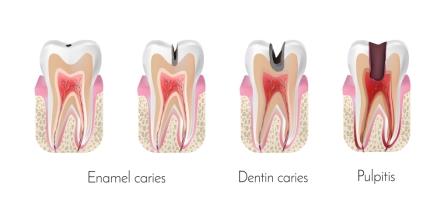
Root canal treatment addresses infection within the pulp chamber of a tooth. The pulp contains nerves and blood vessels that help the tooth develop. Once a tooth is fully formed, the pulp is no longer essential for daily function.
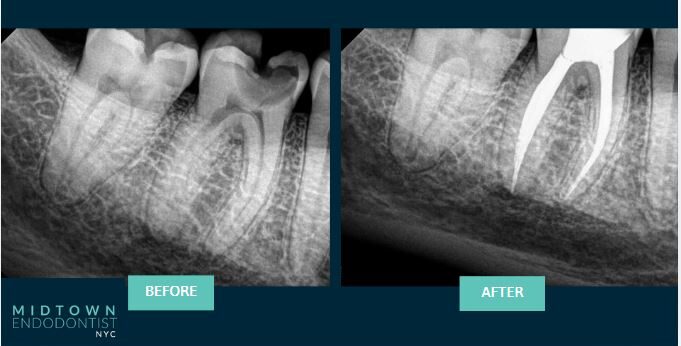
During treatment, the infected pulp is carefully removed, and the inner canals of the tooth are cleaned and disinfected. The canals are then sealed to prevent bacteria from returning and to stabilize the tooth.
- Removing infected tissue from inside the tooth
- Eliminating bacteria within the canal system
- Preserving the natural structure of the tooth
- Restoring comfortable biting and chewing
Keeping the natural tooth in place helps maintain proper alignment and prevents surrounding teeth from shifting over time.
Signs You May Need A Root Canal
Tooth infections often begin gradually, and symptoms may worsen over time if the infection spreads deeper into the tooth.
Common signs that may indicate a tooth nerve infection include:
- Persistent tooth pain
- Sensitivity to hot or cold temperatures
- Pain while chewing or biting
- Swollen or tender gums
- Tooth discoloration or darkening
- A small bump on the gums near the tooth

What Causes a Tooth Nerve Infection?
A tooth nerve infection occurs when bacteria enter the inner portion of a tooth and reach the pulp, which contains nerves and blood vessels. Once bacteria reach this area, the tissue can become inflamed or infected, often leading to pain, swelling, or sensitivity.
The most common cause is advanced tooth decay. When cavities are left untreated, bacteria can gradually break through the enamel and dentin until they reach the pulp. Cracked or fractured teeth can also allow bacteria to enter the tooth through small openings.
In some cases, repeated dental procedures on the same tooth may irritate the pulp over time, increasing the risk of infection. Dental trauma or injury can also damage the nerve, even if the outside of the tooth appears normal.
When bacteria reach the pulp chamber, treatment is typically needed to remove the infected tissue and stop the infection from spreading.
What Happens During a Root Canal Procedure?
During the procedure, root canal specialists must follow a series of precise steps designed to eliminate infection and protect the tooth.
Typical stages of treatment include:
- Diagnostic imaging is taken to evaluate the tooth and the surrounding bone.
- Local anesthesia is used to numb the area for comfort during treatment.
- A small opening is created to access the pulp chamber.
- Specialized instruments remove infected tissue from the canals.
- The canals are cleaned, shaped, and disinfected.
- The canals are sealed to prevent bacteria from returning.
- A temporary filling or restoration is placed until the tooth is fully restored.
These steps allow the tooth to remain in place while removing the source of infection.
At our clinic in New York City, Dr. Lipner and our specialists use modern techniques and careful treatment planning to ensure each step of the root canal procedure is performed safely and effectively.
How Long Does a Root Canal Take?
Many patients worry that root canal treatment will take a long time or require multiple visits. In most cases, the procedure can be completed in about 60 to 90 minutes, depending on the tooth being treated and the complexity of the infection.
Teeth with fewer canals, such as front teeth, are typically faster to treat. Molars often take a little longer because they have multiple canals that must be carefully cleaned and sealed.
Typical treatment times include:
- Front teeth: about 45–60 minutes
- Premolars: around 60 minutes
- Molars: about 60–90 minutes
Many root canal treatments can be completed in a single visit, although more complex infections may sometimes require a second appointment to ensure the tooth is fully cleaned and sealed.
Do You Need a Crown After a Root Canal?
In many cases, a dental crown is recommended after therapy to restore the strength of the tooth and protect it from future damage. Once the infected pulp is removed, the tooth can become more brittle, especially in areas that experience heavy chewing pressure.
Molars and premolars typically benefit the most from a crown because they handle most of the force when biting and chewing. A crown helps reinforce the treated tooth and allows it to function normally.
A dental crown can help:
- Protect the tooth from cracking or fracturing
- Restore normal chewing and biting function
- Improve the long-term durability of the tooth
Recovery After Treatment
Recovery after root canal treatment is typically quick for most patients. Some mild soreness or tenderness around the treated tooth is normal for a few days and can usually be managed with over-the-counter pain medication.
To support healing, it’s recommended to avoid chewing on the treated tooth until the final restoration or crown is placed. Maintaining normal brushing and flossing habits and following any post-treatment instructions will also help promote proper healing.
Most patients are able to return to their normal daily activities the day after the procedure.
Can a Root Canal Fail?
Root canal treatment has a high success rate, but in some cases, a previously treated tooth can develop an infection again. This may occur if bacteria remain inside the canal system, if the tooth develops a crack, or if new decay allows bacteria to enter the tooth after treatment. Delays in placing a permanent crown or restoration can also increase the risk of complications.
When infection returns, additional care may be needed to address the problem and protect the tooth.
Signs You May Need Additional Care
If a tooth that has already received root canal treatment begins to develop symptoms again, it may need to be evaluated. Signs of needing further evaluation can include:
- Recurring or persistent tooth pain
- Swelling or tenderness in the gums
- Discomfort when biting or chewing
- Ongoing infection near the root of the tooth
If these symptoms appear, further treatment may help eliminate the infection and restore the tooth’s function.
Can a Root Canal Help Prevent Tooth Extraction?
Many patients worry that severe tooth pain or infection will lead to losing the tooth. In many cases, a root canal can remove the infection and preserve the natural tooth, preventing the need for extraction.
Extraction is typically only considered when a tooth is too damaged to be restored. This can happen if the tooth has extensive decay below the gumline, severe structural damage, or significant bone loss around the root.
When enough healthy tooth structure remains, removing the infection through treatment can help keep the natural tooth in place. Preserving the original tooth supports normal chewing function and helps prevent surrounding teeth from shifting over time.
Cost of Root Canal Treatment in NYC
The cost of treatment can vary depending on the tooth involved and the complexity of the infection.
Factors that may influence cost include:
- the type of tooth being treated
- The number of canals present
- severity of infection
- whether a crown is needed after treatment
Root canal treatment in NYC typically begins around $1,100, though a clinical evaluation can provide a more accurate estimate based on the condition of the tooth.
Don’t Ignore Persistent Tooth Pain
Tooth infections rarely resolve on their own. Without treatment, bacteria inside the tooth can continue to spread, leading to worsening pain, swelling, or damage to the surrounding bone.
If you’re experiencing persistent tooth pain, sensitivity to temperature, or swelling around a tooth, it may be a sign of infection that requires prompt care. At Midtown NYC, our specialists provide root canal treatment designed to remove infection, relieve discomfort, and help preserve your natural tooth.
Schedule a consultation with Midtown NYC today to have your symptoms evaluated and receive the treatment needed to restore your comfort and dental health.
Schedule A Root Canal Consultation Today
If you’re experiencing tooth pain or think you might need a root canal, don’t wait. Early treatment can save your tooth and prevent further problems.