Internal Tooth Bleaching Specialist
As a top endodontist in New York City, Dr. Lipner offers advanced internal tooth bleaching techniques at his Midtown East practice, helping patients with deeply stained teeth banish discoloration so they can feel more confident about the way they look.
If you think that you may benefit from such procedure schedule a free consultation with Dr. Lipner.
(212) 880-2700
Jump to:

Why do teeth become badly discolored?
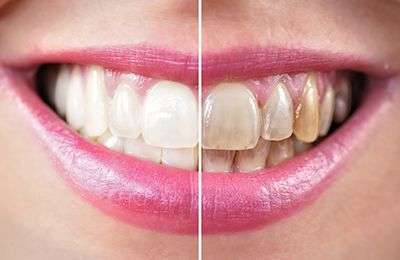
The most common causes of deep discoloration of teeth include root canals which remove the tooth’s living interior portion, called the pulp, and trauma, which can damage nerves and blood vessels that help keep the tooth healthy.
Deep discoloration may be hidden by a veneer or covered by a crown, but it can also be treated with special techniques designed to reach the tooth’s interior layers to remove stains and help patients feel more confident about the way they look.
Can a regular whitening treatment remove deep stains?
Stains and discolorations that occur on the surfaces of teeth can usually be treated with topical whitening agents. But when teeth become badly discolored in the inside, they need techniques designed to reach the interior layers of the tooth to treat and resolve discoloration where it occurs.
Internal bleaching in NYC uses techniques and whitening agents that are specifically designed for stains that develop in the tooth’s interior to treat stains that just can’t be remedied with surface bleaching agents.
Frequently Asked Questions (FAQ)
What is internal bleaching?
Internal tooth bleaching is essentially a teeth whitening technique that works from the inside out. With traditional tooth whitening, you wear trays or get whitening treatments that target the exterior of the teeth. If you have healthy teeth, those methods can result in a whiter smile.
What should I do following my internal bleaching treatment?
Follow your dental team’s instructions after your appointment. We will set up another time for you to come in so that we can monitor your results. Attending these appointments is essential because we may encourage you to use whitening trays to supplement the procedure. If a professional suggests trays to make your teeth whiter, you must use them as instructed.
How long does internal tooth bleaching last?
The longevity of your bleaching results will depend on a few factors. If you have had a root canal before your procedure, internal tooth whitening may be a long-lasting or even permanent solution. Infections can cause discoloration to reoccur.
Does internal bleaching work on a dead tooth?
Yes, internal teeth bleaching works on dead teeth. This procedure is ideal for teeth that have died because of trauma, direct impact, grinding, infection or other causes. Because dead teeth receive no blood flow, the red blood cells die. Just as bruises form beneath your skin, the inside of a dead tooth can become discolored.
How much does internal tooth bleaching cost?
Your internal tooth bleaching cost will vary. Do you need whitening trays for exterior staining or a root canal to remove the infected pulp? If so, you will pay more than if you have already taken bleaching measures and had a root canal. In America, the average cost is $260 to $320 per arch.
Why do teeth become badly discolored?
Common causes of deep discoloration include root canals, which remove the tooth’s living interior portion (the pulp), and trauma, which can damage nerves and blood vessels that help keep the tooth healthy.
Can a regular whitening treatment remove deep stains?
Surface stains and discoloration can often be treated with topical whitening agents, but when discoloration develops inside the tooth, it typically requires techniques designed to reach the tooth’s interior layers. Internal bleaching uses techniques and whitening agents designed for stains that develop in the tooth’s interior and that can’t be remedied with surface bleaching agents.
What is the internal tooth bleaching procedure?
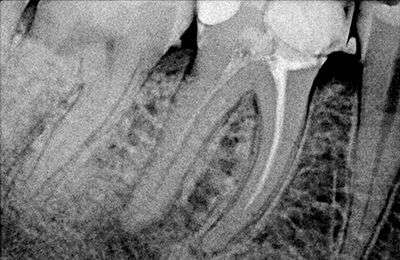
A dental X-ray is taken to determine the extent and cause of the discoloration. If a diseased or damaged pulp is the cause, a root canal is performed to remove the damaged area and a whitening paste is applied during the procedure. If the tooth has already had a root canal, a small hole is made in the back of the tooth to access and remove the stain, and the hole is carefully filled after treatment. After the whitening agent is applied internally, the office monitors progress and removes the paste when the desired shade is reached (sometimes taking a few days), then seals the tooth to help prolong results.
Is internal bleaching safe for teeth?
Yes. The techniques and products used to whiten teeth internally are described as completely safe.
Author: Dr. Steven Lipner
 Our Providers
 Blog
Blog
 Contact us
 Root Canal Treatment
 Emergency Root Canal
 Root Canal Retreatment
 Complimentary Teeth Whitening
 Teeth Whitening