 Our Providers
 Blog
Blog
 Contact us
 Endodontics
 Root Canal Treatment
 Emergency Root Canal
 Root Canal Retreatment
 Complimentary Teeth Whitening
 Teeth Whitening
Cracked Teeth Treatment NYC
Fractured Tooth Root Canal
- What Causes Cracked Teeth?
- Types Of Fractured Teeth
- Fractured Tooth Root Repair
- Symptoms Of A Cracked Tooth
- Midtown Endodontist NYC
Cracked teeth are one of the most common dental injuries in the United States. Trauma is one of the major causes of breaking a tooth, such as suffering an injury in a car accident or while playing a sport. Cracked teeth can also develop from other factors, including age of the tooth, teeth grinding and chewing hard foods.
Cracked teeth can cause pain that comes and goes throughout the day. When you bite down, pieces of the tooth shift, causing pain in the pulp. Symptoms of cracked teeth include:
- Gum swelling around the tooth
- Biting and chewing pain
- Sensitivity to cold or hot foods or drinks
It can be difficult to detect a cracked tooth because the pain is inconsistent. If you suspect you have a broken tooth, please reach out to our office for a free consultation. We can determine the best course of action and if you need a root canal to relieve the symptoms.

What Causes Cracked Teeth?
One of the most common causes of cracked adult teeth is chewing foods that are hard, such as ice or nuts. Frequent changes in mouth temperature, such as drinking hot coffee then eating ice cream, can also contribute to tooth breakages.
Being hit in the mouth by an object during a sports game can fracture a tooth. You may also incur a broken tooth if your mouth comes in contact with a hard surface in a car accident. People over age 50 are most likely to experience broken teeth, so age can be a factor in the diagnosis.
Types of Fractured Teeth
You may experience several different types of cracks, including:
- Fractured cusp, which often happen near a filling and can lead to pain in the tooth root.
- Craze lines, which are so tiny that they usually do not need treatment.
- Split tooth, which is trauma so severe that only parts of the tooth may be saved.
- Vertical root fracture, which may require tooth extraction because the trauma runs so deep into your gums.
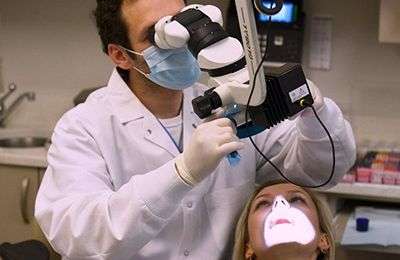
Diagnosing a cracked tooth root or other type of tooth fracture can be difficult. They do not show up on X-rays, and some people do not experience the pain that is usually associated with cracked teeth. Your NYC endodontist will ask you to bite, then examine your teeth with a magnifying device and search for gum inflammation and other indicators of poor dental health.
Fractured Tooth Root Repair
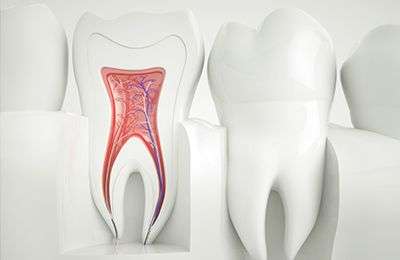
If the crack in your tooth reaches down to the pulp, a root canal procedure provides the best chance of repair for your cracked tooth. Your endodontist will remove the affected pulp and attempt to reinforce the structural integrity of the tooth. The goal is to avoid infection and strengthen the base of the tooth.
Sometimes, dental professionals may treat a broken tooth with bonding, which uses resin or a tooth-colored filling to close the fracture. In other situations, your endodontist may suggest a root canal and a crown. A crown is a porcelain or ceramic prosthetic that covers the fracture or break and restores your smile. If the cracks in your teeth are tiny and produce no symptoms or problems, your endodontist may recommend no treatment other than observation and routine follow-ups.
In rare cases, your dentist may suggest tooth extraction as a last resort. These cases often involve fractures that extend under the gum line or tooth structures that are too damaged to save.
Symptoms of a Cracked Tooth
Fractured Toot Root Symptoms
For some patients, a cracked tooth breaks, and pieces fall out or feel loose in your mouth. More often, the fracture is minuscule and may not be something you can feel. Instead, you may notice a sudden and significant sensitivity to hot and cold. It can also hurt to bite down or to chew your food, and the tooth pain may come and go. If your fractured tooth cracks at the root, your symptoms can include swollen gums.
Sometimes, you may experience no pain and see tiny lines on the outside of the tooth instead. Visible cracks can indicate fractures in the enamel.
Diagnosing a Cracked Tooth
Cracked teeth are challenging to diagnose, and some dentists may overlook the symptoms. Endodontists use many diagnostic tools to identify the problem and begin fractured tooth root treatment. They can:
- Apply a dental dye to make fractures more visible.
- Look for fractures with a magnifying lens.
- Use a dental explorer to search for the fracture.
- Ask about tooth grinding and whether you eat any hard foods.
- Recommend biting down on something to see if the pain is worse on release, which is a telltale sign of fracture.
- Look for inflammation.
While many fractures are invisible on X-rays, imaging can show pulp infection and other conditions that may stem from or point to the cracked tooth.
Root Canal Treatment for Broken Teeth in the Front of the Mouth
Most front-of-mouth tooth cracks come from trauma. Whether you fall down or a baseball hits you in the face, fractured tooth treatment seeks to save your tooth if possible and restore your smile.
If the fracture involves the pulp of the tooth or the pulp becomes infected, a root canal may be necessary. Since the front teeth are most visible, your endodontist will want to place a crown to preserve your smile. If the tooth lacks the healthy root structure for these measures, you may need a fractured tooth root canal. This treatment can be effective, even without an infection to resolve. Removing the nerve allows your endodontist to place a post inside the tooth and create a crown.
Root Canal Treatment for Broken Teeth in the Back of the Mouth
Decay causes most cracking and breakage for teeth in the back of the mouth. When fixing this type of fractured tooth, a root canal removes the infected or unhealthy pulp and allows for a crown. If the fracture reaches down well below the gum line, your endodontist may opt out of performing a root canal. It may not be possible to save the tooth. In these cases, your endodontist may suggest different treatment options.
Schedule a Cracked Tooth Root Canal Appointment in NYC
If you have a cracked tooth or are experiencing fractured tooth symptoms, you could need emergency endodontic treatment. Call Midtown Endodontist NYC at (347) 708-8795 to schedule an office visit or contact us online to request a free consultation. We are also happy to discuss your dental insurance options.