 Our Providers
 Blog
Blog
 Contact us
 Root Canal Treatment
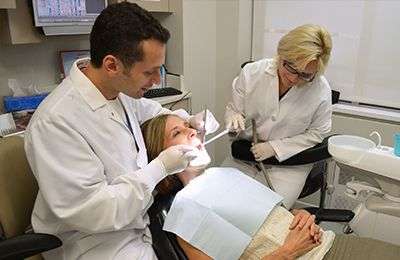 Emergency Root Canal
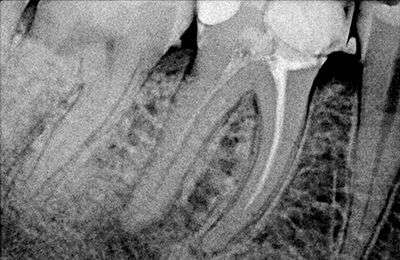 Root Canal Retreatment
How Long Does A Root Canal Last?
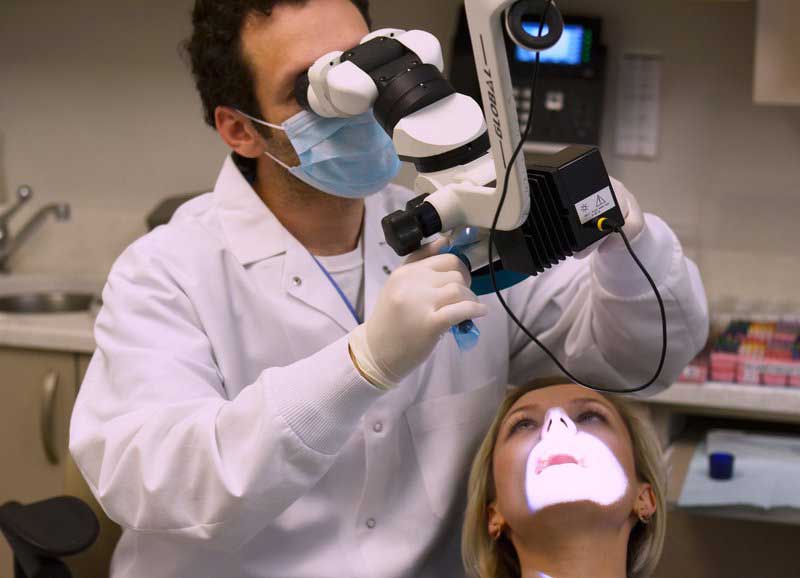
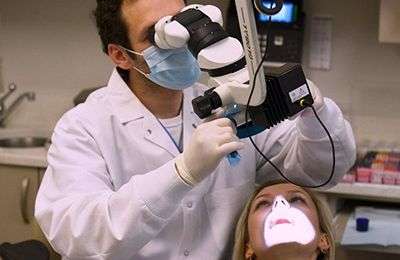
Root canal therapy offers high long-term tooth survival rates of 86% to 93% over 8 to 10 years, effectively preserving your natural tooth, relieving infection, and avoiding complex extractions. Overall tooth retention depends on prompt care, permanent crown restoration, adequate tooth structure, and treatment quality.At Midtown Endodontist NYC, our skilled endodontists in New York City utilize high-powered endodontic microscopes for exceptional clinical precision. To prolong the survival rate of root canals and ensure the highest safety standards, our doctors do not reuse Peeso Reamers, canal preparation instruments, protecting structural integrity, ensuring clean, optimal canal sealing and preventing instruments breakage.
How Long Does It Last? Root Canal Success Rates
Clinical studies and systematic reviews evaluating long-term tooth retention following root canal treatments report high overall tooth survival across multi-year follow-up periods:
| Timeframe | Tooth Survival Rate |
|---|---|
| 2 to 3 Years | 86% |
| 4 to 5 Years | 93% |
| 8 to 10 Years | 87% |
Pooled data across published endodontic literature indicates that 87% of endodontically treated teeth remain fully functional at the 8 to 10 year mark. Molar root canal therapies demonstrate significantly higher long-term success rates when performed by an endodontic specialist than a general dentist.
Factors Influencing Root Canal Success and Survival
Several clinical, anatomical, and patient-specific factors directly determine the long-term success and retention of endodontically treated teeth. Addressing these key variables before, during, and after treatment helps ensure optimal healing, prevents re-infection, and preserves natural tooth structure.
Prompt Treatment
Seeking immediate care at the first signs of a toothache helps contain the bacterial infection, preventing it from spreading further into surrounding bone and tissue.
Provider Specialization
High-quality care performed by an endodontist using operating microscopes ensures all root canals are fully identified, disinfected, and filled, yielding higher long-term survival rates.
Restoration and Sealing
Getting a permanent core build-up and full-coverage crown right after root canal strengthens the tooth and seals it to keep out saliva and bacteria.
Structural Support and Adjacent Contacts
Sufficient natural tooth structure, contact with neighboring teeth, and a standalone crown (instead of a bridge anchor) substantially increase how long a root canal lasts.
Tooth Location and Mechanics
Front teeth have a single canal and take less chewing pressure. Back teeth handle heavy biting forces and need a strong crown to protect them. Tooth location plays a key role in how long a root canal lasts.
Pre-Existing Infection and Bone Loss
Teeth treated before severe infection or bone loss occurs heal much more reliably after root canal than those with large, advanced tooth abscesses.
Patient Age and Calcified Canals
As patients age, teeth become more brittle, and canals may become calcified, requiring specialized instruments to safely find, clean, and seal the canals.
Health Factors and Habits
Tooth survival can also be influenced by systemic conditions like diabetes, medical treatments, physical trauma, and habits that place heavy stress on teeth, such as teeth grinding (bruxism) or clenching.
References
- Ng, Y. L., Mann, V., & Gulabivala, K. (2010). Tooth survival following non-surgical root canal treatment: a systematic review of the literature. International Endodontic Journal, 43(3), 171–189.
- Alley, B. S., Kitchens, G. G., Alley, L. W., & Eleazer, P. D. (2004). A comparison of survival rates for endodontically treated teeth in a capitated plan when treated by general practitioners or endodontists. Journal of Endodontics, 30(3), 142–144.
Is a Root Canal Worth It?
Saving your natural tooth through root canal therapy is almost always worth it compared to tooth extraction. Preserving your natural tooth maintains your natural bite, prevents surrounding teeth from shifting, and avoids the need for more complex, costly replacements like dental implants or bridges.
1. Saves Your Natural Tooth
No prosthetic replacement fully replicates the feel, strength, and function of your natural tooth structure.
2. Relieves Pain and Infection
The procedure removes infected tissue, addressing the root cause of toothaches and stopping the infection from spreading.
3. High Success and Survival Rates
Modern endodontic treatments have long-term tooth survival rates between 86% and 98% when properly restored.
4. Cost-Effective Long-Term Choice
Extracting a tooth and replacing it with an implant or bridge typically requires more time, procedures, and overall expense than saving the tooth with a root canal and crown.
Options When a Root Canal Does Not Last
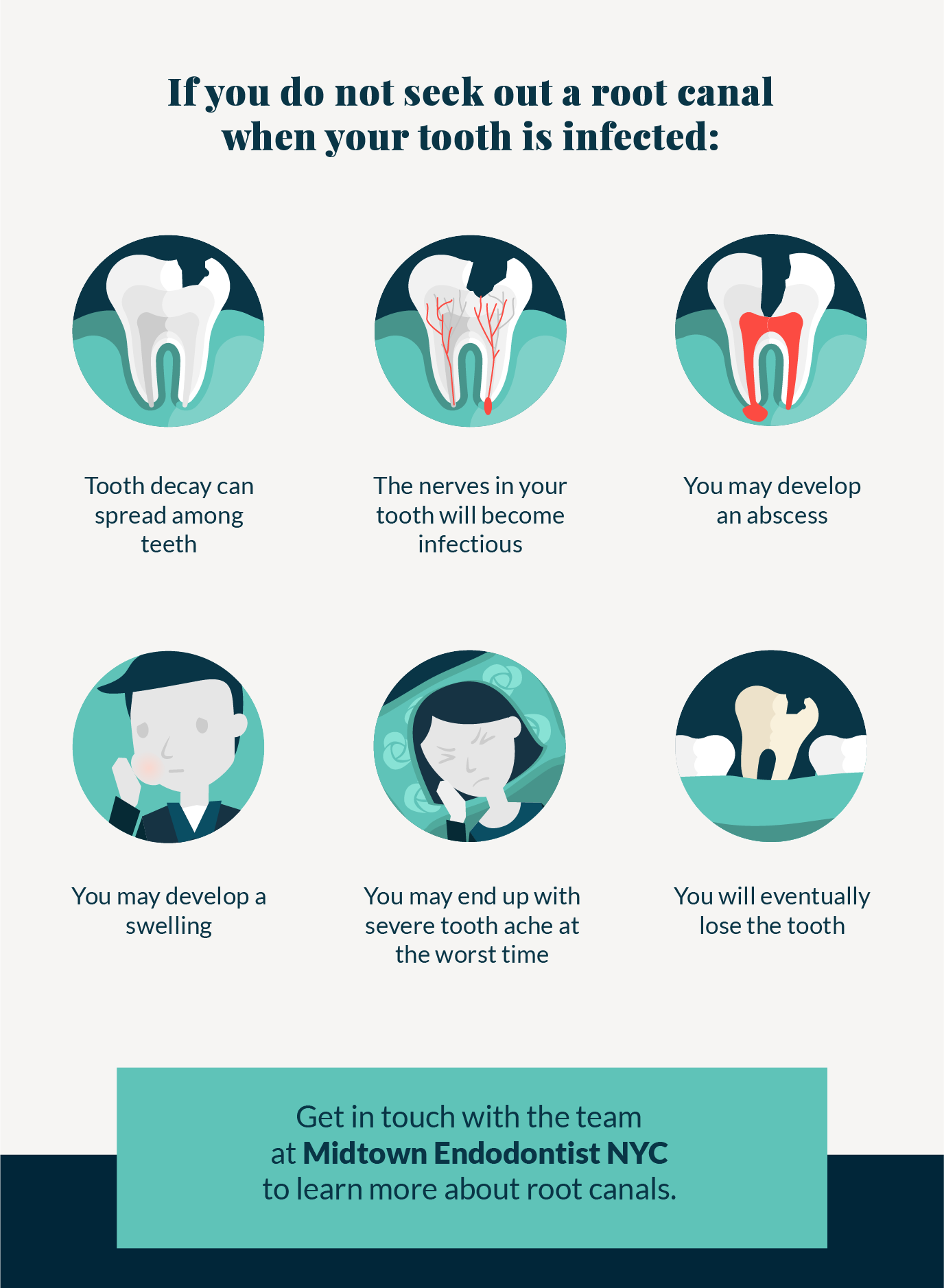
While root canal therapy has a high long-term success rate, underlying infection or new bacteria can sometimes cause issues with root canal years later. If a treated tooth develops persistent discomfort or re-infection, several effective endodontic solutions can help save or address the tooth:
- Root canal retreatment: Similar to the original procedure, but involves removing the previous filling material (gutta-percha) so the canals can be disinfected and resealed.
- Apicoectomy: A surgical procedure at the tip of the root that removes persistent infection and seals the end of the root channel.
- Tooth extraction: Removing the natural tooth as a last resort when non-surgical or surgical preservation is no longer viable.
Schedule an Appointment for Your Root Canal Evaluation at Midtown Endodontist NYC Today
BOOK AN APPOINTMENT