 Our Providers
 Blog
Blog
 Contact us
 Root Canal Treatment
 Emergency Root Canal
 Root Canal Retreatment
Apicoectomy vs. Dental Implant
Apicoectomy vs. Dental Implant: What Really Happens in the Long Run?
An apicoectomy is an endodontic microsurgery that removes an infected root tip to save a natural tooth, while a dental implant replaces the entire root after extraction. Comparing an apicoectomy to an implant is not simply a matter of comparing two single procedures; both involve multi-step surgical treatments. At Midtown Endodontist NYC root canal specialists evaluate your root structure to ensure microsurgery is structurally predictable before recommending treatment.
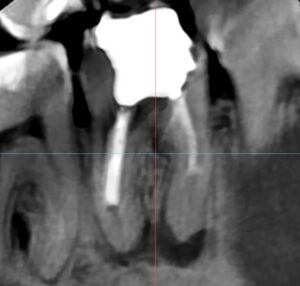
Understanding the Real Surgical Scope: Itemized Steps
When patients evaluate options for a tooth with persistent infection after a root canal treatment, they are often presented with incomplete cost comparisons. Comparing a standalone root tip amputation to a comprehensive implant estimate distorts the true decision.
Modern endodontic microsurgery relies on several essential, itemized steps to ensure long-term healing and bone regeneration. A complete apicoectomy care plan incorporates multiple procedural components:
- Surgical Root Tip Removal: Under high-powered operating microscopes, the endodontist exposes the root and amputates the bottom 3 millimeters of the apex, where microscopic canal branches harbor persistent bacteria.
- Retrograde Bioceramic Filling: A root removal alone will fail without a sealed barrier. The endodontist prepares the cut root end using ultrasonic instruments and seals it with a biocompatible retro-seal (such as MTA or bioceramic putty) to prevent bacterial leakage.
- Periapical Bone Grafting: When a persistent infection creates a hollow void (crypt) in the jawbone around the root tip, bone graft material is placed to stimulate bone regeneration.
- Guided Tissue Regeneration (GTR) Membrane: A resorbable barrier membrane is placed over the bone graft to prevent soft gum tissue from growing into the bone cavity while the jaw heals.
- Histopathology Biopsy: Tissue removed from around the root is often sent to a pathology lab to confirm the nature of the lesion and rule out cysts or other pathology.
Procedural Comparison: Apicoectomy Package vs. Implant Package
To understand the true clinical and procedural scope of both options, compare the individual steps involved in comprehensive microsurgery versus complete tooth replacement:
| Treatment Stage | Apicoectomy Package | Dental Implant Package |
|---|---|---|
| Diagnostic Imaging | 3D CBCT scan to map root anatomy and bone crypts | Panoramic X-rays is often enough for single tooth implant, unless patient presents with enlarged sinuses |
| Primary Surgery | Microscopic root tip amputation (resection) | Surgical tooth extraction and socket cleaning |
| Sealing / Fixture | Retrograde bioceramic seal (MTA/bioceramic putty) | Titanium implant post placement |
| Bone & Tissue Care | Periapical bone graft and resorbable GTR membrane | Socket preservation bone graft and membrane placement |
| Pathology & Healing | Biopsy lab analysis and suture removal | Abutment fitting and healing cap placement |
| Final Restoration | Existing permanent crown remains in place | New permanent crown fabricated by general dentist |
Specialized Endodontic Evaluation at Midtown Endodontist NYC
An apicoectomy is a highly effective microsurgical procedure when performed on a structurally sound tooth root. Our endodontic specialists in Midtown Manhattan use 3D CBCT scans and operating microscopes to determine whether your tooth can be saved long-term or if retreatment or referral is the safer path.
If your tooth is a candidate for endodontic microsurgery, our team will perform the procedure to eliminate the infection and protect your natural tooth. If the root is structurally compromised, we will explain our findings clearly and guide you toward the appropriate specialist. Contact our office today to schedule your consultation.
Why Do Some Apicoectomies Fail Over Time?
Modern microsurgical techniques achieve high initial biological success rates (85% to 90%) by eliminating root infections. However, long-term failures stem primarily from mechanical stress rather than recurring infection.
When an endodontist amputates the root tip, the mechanical support of the tooth changes. Late failures follow a direct chain of cause and effect:
- Root Amputation Shortens the Anchor: Removing 3 mm of root leaves less foundation in the jawbone, increasing bending stress when you chew.
- Weakened Tooth Structure Reduces Strength: Deep decay, large metal posts, or thin natural tooth structure (lack of ferrule) under the crown leave the root core fragile.
- Chewing Forces Concentrate Inside the Root: Everyday biting pressure transfers directly into the weakened, shortened root.
- Vertical Root Fractures Force Extraction: Concentrated pressure splits the root vertically. Because a split root cannot be repaired, it requires immediate extraction.
Vertical Root Fractures (The #1 Killer of Apicoectomies)
When long-term studies follow patients over 8 to 10 years, they find that persistent infection is rarely the reason teeth are pulled. Instead, up to 15% of teeth are extracted because the root splits vertically down the middle.
How Does a Dental Implant Compare?
An implant is a solid screw made of medical-grade titanium that fuses directly into your jawbone. A dental implant bypasses the biological root entirely but it has its pros and cons.
Pros: No Root to Crack or Decay
Implant cannot get cavities. It will not crack in half like a hollowed-out tooth root. Over an 8- to 10-year period, implants have a 95% to 98% survival rate.
Cons: Gum Disease Around Implants
While the implant screw will not rot or fracture, the gums around it can become inflamed, a condition called peri-implantitis. This occurs in roughly 15% to 20% of patients over a decade and requires careful brushing, flossing, and professional cleanings.
Evaluating the Real Financial and Clinical Risk
Factoring in the complete treatment package alters how patients should evaluate long-term financial risk:
- Structurally Sound Teeth: If your natural root is thick, long, and supported by solid tooth structure beneath the crown, investing in complete endodontic microsurgery makes sound financial sense. It preserves your natural bite, maintains native jawbone, and extends the life of your existing crown for a decade or more.
- Structurally Compromised Teeth: If the root is thin, heavily drilled, or relies on a large post for support, performing complex microsurgery carries a high risk of structural failure within 3 to 5 years. If the root fractures down the road, you must still pay for the extraction, bone graft, and implant, resulting in the highest cumulative out-of-pocket expense.
| Financial Factor | Apicoectomy Package | Dental Implant Package |
|---|---|---|
| Base Standalone Cost | $2,000 – $3,000 | $4,500 to $6,500 |
| Comprehensive Package Cost | $3,000 to $5,000+ (CBCT + Resection + Bioceramic Retrofill + Bone Graft + GTR Membrane) | $4,500 to $6,500+ (Extraction + Socket Graft + Implant Fixture + Abutment + Final Crown) |
| Insurance Coverage Reality | Covers root resection (50%–80%); frequently denies bone graft & membrane, creating out-of-pocket gaps | Varies by plan; major coverage may apply to the crown, with surgical steps subject to annual maximums |
| Timeline & Visits | 1 to 2 visits (normal activity resumes next day) | 4 to 6 visits over 6 to 9 months |
| Long-Term Cost Exposure | Paying $3,00–$5,000 upfront, plus full implant costs ($4,500–$6,500) later if a fragile root splits | Higher initial outlay ($4,500–$6,500), plus potential minor maintenance fees for hardware or peri-implantitis care |
The Dental Insurance Reality: Hidden Out-of-Pocket Gaps
Dental insurance policies introduce a secondary financial complication during apicoectomy planning. While most carriers cover the core root resection under basic or major endodontic benefits, they frequently deny coverage for the bone graft and barrier membrane when billed alongside periradicular surgery.
Insurance carriers often deny regenerative bone materials. When insurance denies these regenerative steps, the out-of-pocket expense falls directly on the patient. At Midtown Endodontist NYC, we maintain full financial transparency, informing you of all required treatment components prior to surgery so you face no surprises.
4 Questions to Ask Before Deciding
At Midtown Endodontist NYC, we evaluate your tooth using high-resolution 3D CBCT imaging to answer these four questions before recommending treatment:
1. How much natural tooth structure remains under the crown?
If you have a solid collar of natural tooth structure (ferrule), an apicoectomy is favorable. If the crown rests mostly on a large post and core buildup, an implant may be necessary.
2. Are there signs of a vertical root fracture?
If 3D CBCT imaging reveals a hairline root crack or a deep, narrow isolated gum pocket, an apicoectomy will not resolve the issue, and extraction is required.
3. What is the length and location of the root?
Longer roots in the front of the mouth easily tolerate losing 3 mm of length. Short molar roots subjected to heavy chewing forces may become mechanically unstable after resection.
4. Do you have a history of severe periodontitis or smoking?
Implants have higher complication rates in heavy smokers or patients with uncontrolled gum disease. In these cases, preserving your natural root is biologically advantageous.
Schedule an Appointment for Your Apicoectomy Evaluation at Midtown Endodontist NYC Today
BOOK AN APPOINTMENT